Pest Control · St Charles, MN
Pest Control in St. Charles, MN - Mouse Extermination
Homes around the Whitewater River valley take a beating every winter. Repeated freeze-thaw cycles open foundation cracks, and snow drifts quietly hide the entry points mice use to get inside.
- Serving since 2016
- Minnesota commercial pesticide applicator licensing
- General liability and workers’ compensation coverage
- National Pest Management Association membership
- Serving since 2016
- Minnesota commercial pesticide applicator licensing
- General liability and workers’ compensation coverage
- National Pest Management Association membership
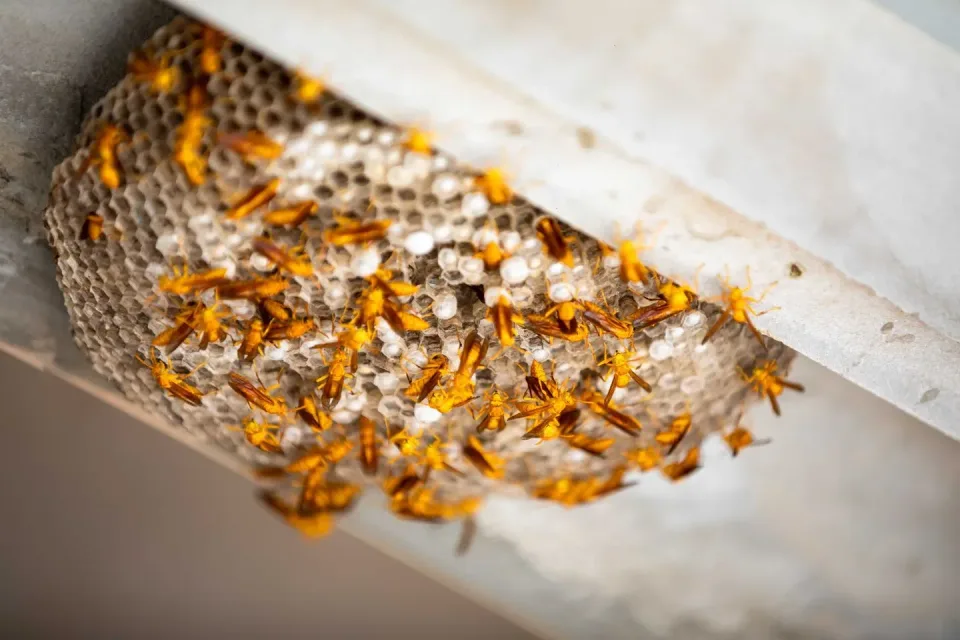
By the time you spot droppings behind the stove, the colony has been there a while. We handle pest control across St. Charles 55972 from the older wood-frame homes near downtown Main Street to the farmsteads and barns along MN 74. Carpenter ant treatment, mouse and rat extermination, rodent entry sealing, bed bug treatment, wasp nest removal, and seasonal mosquito and tick control are all part of what our crews do every week. Summer humidity here pushes moisture-loving pests toward basements and crawl spaces, while Asian lady beetles crowd sunny exterior walls each fall looking for a place to overwinter. We plan treatments around that calendar instead of guessing. Call (855) 681-0299 and we will walk your property, explain what is getting in, and give you a straight answer on what fixing it takes.
Who Handles Pests in St.
Charles, MN When Winter Drives Rodents Indoors?
St. Charles sits in the Whitewater River valley, where river fog and humid summer storms keep basements damp and spring flood risk exposes foundation trouble. Boxelder bugs gathering on sunny walls each fall are another valley signature we plan for.
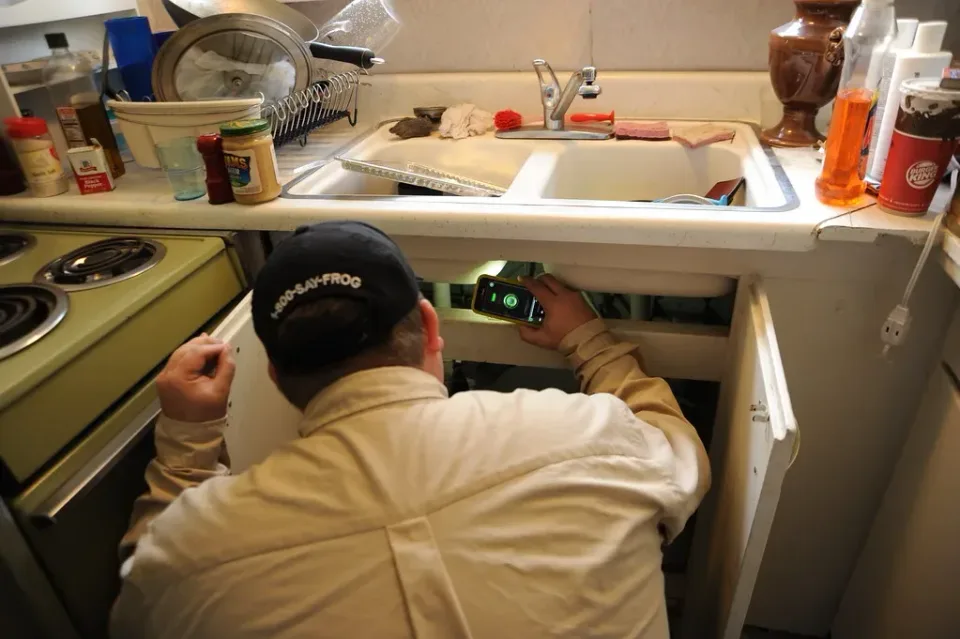
We schedule around your day, show up when we say we will, and explain findings in plain language before anything is treated. Expect an inspection, a written explanation of what is attracting or admitting pests, and a treatment plan matched to the actual pest not a one-size package.
How We Treat the Common Pest Problems in St. Charles
Clear access to basements, attics, and utility areas
Secure pets during application and follow label reentry instructions
Schedule follow-up based on the pest and the treatment used
River Valley Weather Changes How We Treat St. Charles Homes
St. Charles catches weather that flatland towns don’t.
The Whitewater River valley holds fog and humidity, and heavy rainfall pushes ant colonies out of saturated ground and straight into foundations we run ant extermination calls after nearly every big storm. Cluster flies work the other direction: they slip into wall voids and attic gaps in early fall, before the first hard freeze, and reappear on warm winter days inside south-facing rooms.
St. Charles also sits inland far enough that temperature swings between seasons run wider than lake-moderated towns see, which stresses siding, seals, and screens on the historic brick commercial buildings downtown and the ranch-style houses on the side streets.
For ant work in damp conditions, we may use boric acid dust in wall voids and crack-and-crevice treatment along baseboards materials chosen for the moisture, not the catalog. If you see ants following a line along a foundation wall after rain, that trail is your clue; follow it to the entry point and note it before we arrive.
How to Stay Compliant With Minnesota Pesticide Rules in St. Charles
Hiring unlicensed help risks misapplication and leaves you with no recourse if something goes wrong.
The first step on any compliant job is identifying the pest species before selecting treatment, because the label is legally enforceable and every product is approved for specific pests and sites.
If you’re comparing providers, ask for the applicator license number a legitimate operator will give it without hesitation.
Why us
Local Pest Control in St. Charles, MN
Homeowners here get straight answers, licensed applicators, and treatment plans built for how pests behave in southern Minnesota.
Clear Explanations First
Technicians explain what they find before any treatment starts. You hear which pest is present, how it is getting in, and which treatment or exclusion options fit your home, so you can decide with real information.
Built for Minnesota
Charles.
Our process
How a visit works
Every job follows the same sequence, from first inspection through documented follow-up.
01
Inspect and Identify
A technician inspects the property and identifies the pest species before selecting any treatment. You get a clear read on what is active, where it is entering, and how far the problem extends.
02
Outline the Options
After identification, the technician outlines treatment and exclusion options in plain terms. You see what each approach involves, what prep is needed on your end, and what the work covers before anything begins.
03
Treat the Area
Crews follow product label mixing and application directions during treatment. You prepare by securing food, dishes, and pet bowls, and by keeping children and pets away from the work area until the application is done.
04
Document and Follow Up
Treated areas and follow-up recommendations are documented for your records. When monitoring shows continued activity, a follow-up inspection gets scheduled so the plan stays on track instead of fading after one visit.
Warning signs
Warning signs to watch for
Ant Trails
A steady line of ants crossing a counter or baseboard means scouts found food and the colony is feeding nearby. Wiping the trail only clears the path; the colony keeps sending workers until the nest itself is treated.
Cockroach Sightings at Night
Cockroach sightings after dark point to an established population. These insects hide near sinks, dishwashers, and warm appliance motors during the day, so a single roach seen at night usually means more are out of view. Egg cases and pepper-like droppings behind appliances confirm it is time to call.
Bat Droppings Below Entry Gaps
Bat droppings collecting below a roof gap or on an attic floor signal a colony roosting overhead. Look for small, dark piles along siding, on window sills, or under gable vents. Bats return to the same openings repeatedly, so sealing entry points matters as much as removing the animals.
Carpenter Ant Wings Indoors
Carpenter ant wings piled on a windowsill mean a colony is nesting nearby, often in damp wood. Winged swarmers emerge indoors when a mature colony has settled into a wall or sill plate. Finding shed wings is a stronger warning than seeing one ant, because it points to an active nest.
Through the year
How the seasons change the job
Spring
Melting snow also reveals entry points that winter hid. Booking an inspection early in spring catches activity before colonies grow and before water damage opens new ways inside.
Summer
Humid summer storms and river valley fog keep moisture high, and that draws insects toward foundations, eaves, and damp wood. Summer treatments target active colonies at their peak, when a single visit can address several problems at once.
Fall
Sealing entry points and treating exterior zones in fall takes less effort than evicting an established indoor population once heating season begins.
Winter
Long Minnesota winters drive rodents and insects indoors, where scratching in walls and droppings behind appliances become the first complaints. Pests stay active inside warm structures all winter, so cold weather outside does not pause the problem. Winter service catches populations before spring warming spreads them further through the house.
Before you hire
Questions to ask before you hire
Q1
Are your applicators licensed in Minnesota?
Pesticide work in Minnesota requires a commercial applicator license. Asking confirms the technician treating your home is trained and accountable under state rules, and that products will be mixed and applied according to the label rather than by guesswork.
Q2
What is included in the treatment plan?
A clear answer separates companies that only spray from those that also handle exclusion, documentation, and prevention steps. You should know whether entry-point recommendations, treated-area records, and customer prep instructions come standard before you agree to the work.
Q3
What are the contract and cancellation terms?
Before signing, you should know whether service is a one-time visit or a recurring plan, what happens if pests return between visits, and how cancellation works. Getting the terms in writing prevents surprises after the first treatment is done.
Ready to get started?
Call to talk through your job in St Charles.
10+
Years serving St Charles
25
Areas served
FAQ
Pest Control FAQs in St Charles, MN
Straight answers for customers in St Charles on pricing, delivery, and scheduling.
Why do mice keep getting into St. Charles homes every winter?
The valley’s long, cold winters drive rodents indoors, and repeated freeze-thaw cycles open new foundation cracks each season. A mouse needs a gap about 1/4 inch wide to enter, and snow drifts often hide those openings until activity starts. We inspect, seal entries, and trap then follow up after the next thaw.
What does pest control cost in St. Charles, MN?
Inspections typically run $75–$200 depending on property size and access, ant treatment $150–$400, mouse control $200–$600 including entry sealing and follow-up, and bed bug treatment $500–$1,500 based on rooms and method. Final quotes vary by infestation level, property size, access, treatment method, and site conditions.
Do you treat the farmsteads and properties outside town?
Yes. We cover all of 55972, including farmsteads and barns along US 14 and MN 74, plus homes near the Whitewater River and downtown Main Street. Barn and outbuilding work usually focuses on rodent entry sealing and wasp nest removal, where access and structure type shape the plan.
ZIP code
ZIP Codes We Serve in St. Charles, MN
Pest Control covers every ZIP code in St. Charles, MN.
55972
Local Leadership
Meet Your Local Experts

Daniel Larson Lead Expert
Minnesota Pest Pros
"Clear Answers. Targeted Pest Control."
I grew up in Minnesota and started in pest control helping homeowners track down how mice and insects were getting into older houses. I built this company to give people clear explanations and practical treatment plans that account for our long winters, spring thaw, and the pests that come with each season.
10+ years experience Minnesota commercial pesticide applicator licensing General liability and workers’ compensation coverage National Pest Management Association membership
Get a Quote
Get a Pest Control Quote in St Charles, MN
Share job details below or call our team directly. Phone: (855) 681-0299